Posted on — Leave a comment

How to Pack Bulky Clothes Without Wasting Suitcase Space

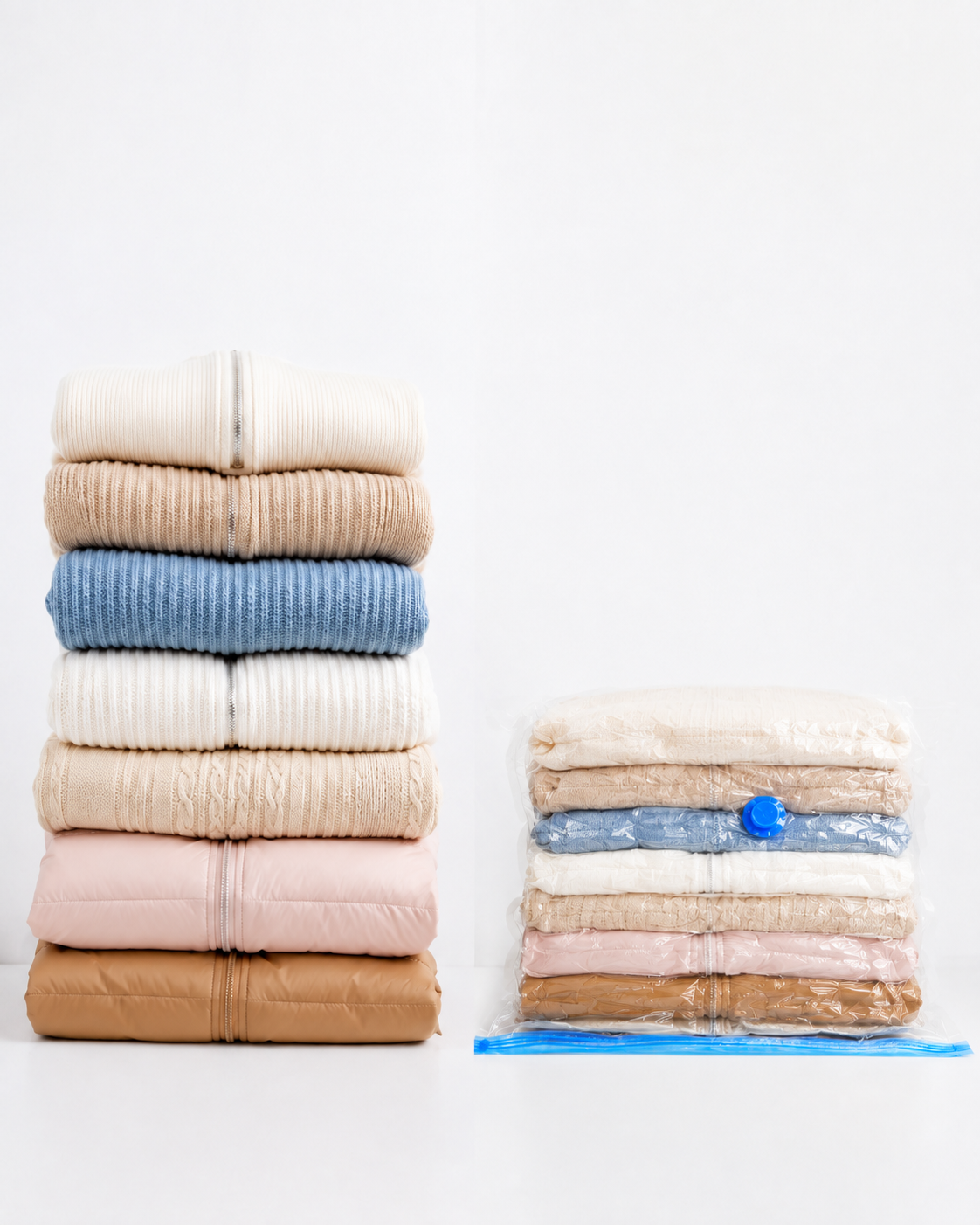
Loose bulky winter clothing compared with the same garments compressed in a reusable bag

Bulky clothing is one of the fastest ways to lose useful suitcase space. Sweaters, hoodies, jackets and soft layers often contain far more air than travellers realise, so a bag can look full long before it reaches its weight limit. The solution is not to force more clothing into the case. It is to choose better, fold consistently and remove unnecessary volume where compression makes sense.

A good packing system should make the trip easier from departure to return. It should help you see what you packed, reach the items you need and repack without turning the suitcase into a pile of loose clothing.

Start with the trip, not the suitcase

Before folding anything, look at the weather, the length of the trip and the activities you actually expect. Bulky clothing becomes a problem when several pieces serve the same purpose. Two heavy sweaters may be less useful than one warm sweater and one lighter layer that can work in different combinations.

Choose clothing that can be worn more than once and combined easily. Neutral colours, simple layers and fabrics that recover well after folding can reduce the total number of garments you need. This gives you more room before any compression begins.

Fold bulky garments into predictable shapes

Irregular shapes waste space. A hoodie folded one way and a sweater rolled another way create gaps that are difficult to use. Try folding larger garments into similar rectangles before they enter the suitcase or compression bag. The objective is not perfect presentation. It is consistency.

Heavier items usually work best near the base of the suitcase, while lighter pieces can sit above them. If you use a clamshell case, keep the two halves balanced so the luggage closes without one side becoming overly dense.

Compress the clothing that contains the most air

Compression is most useful for soft items that trap air between fibres and folds. Sweaters, casual jackets, hoodies, trousers and similar garments are good candidates. By removing excess air, a compression bag can turn several bulky pieces into a flatter package that is easier to place inside luggage.

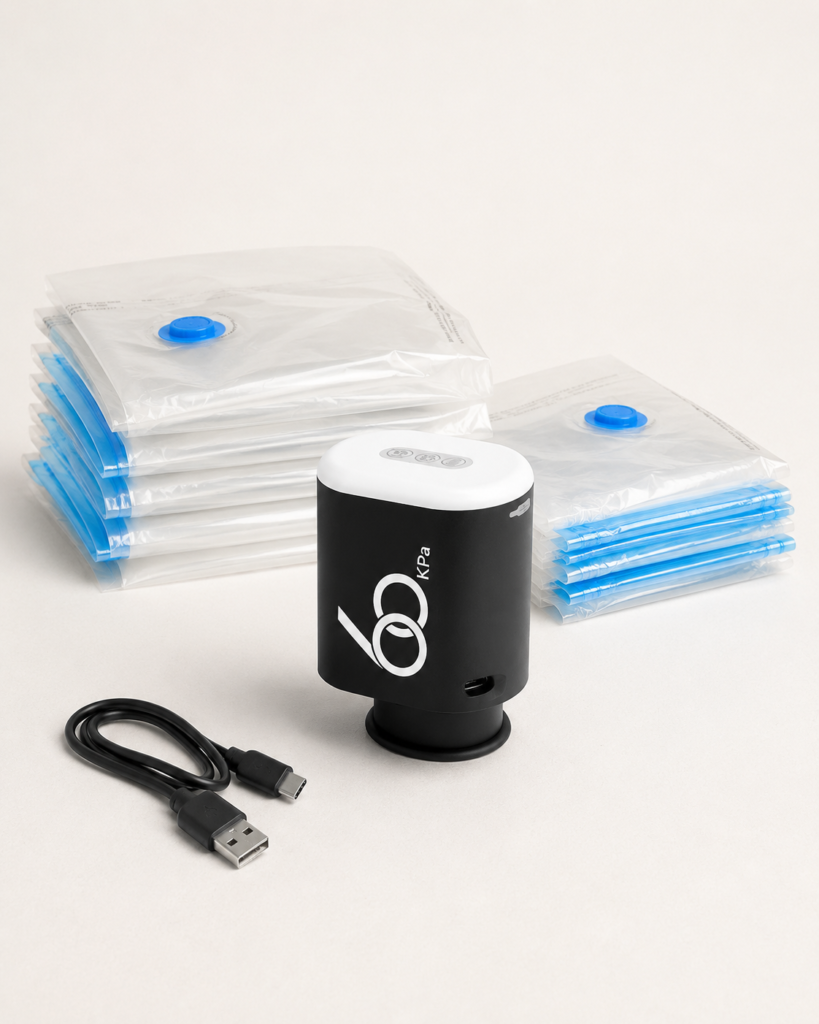
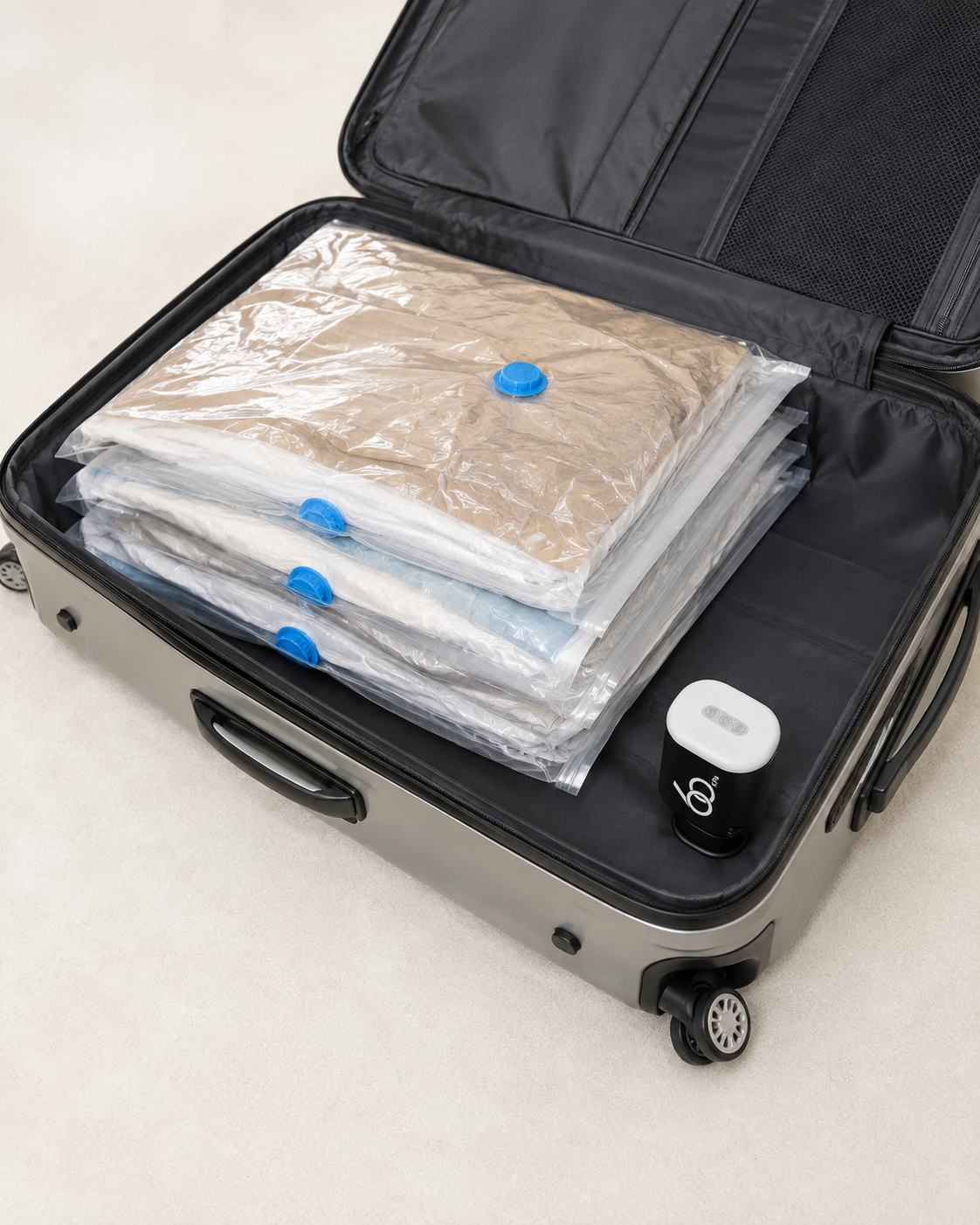
A portable system such as SmartPack Power allows that process to be done without a household vacuum cleaner. Clothing is placed inside a compatible reusable bag, the bag is sealed and the cordless pump removes excess air through the valve. This is particularly useful when repacking in a hotel, apartment or guest room.

Remember that space and weight are different

This distinction matters. Compression reduces volume, not luggage weight. A sweater that weighs one kilogram before compression still weighs about one kilogram after the air around it has been removed. A suitcase may therefore look much more efficient while still exceeding an airline allowance.

Weigh your luggage after packing and again before the return journey if you bought anything during the trip. For a deeper explanation, read our guide to vacuum compression bags for travel.

Keep frequently used items outside compression bags

Not every item should be compressed. Sleepwear for the first night, a change of clothes after arrival, medication, chargers and travel documents should remain easy to reach. If you need to open every bag to find a single shirt, the suitcase may be compact but it is not well organised.

Create a simple arrival layer near the top of the case. Everything needed during the first few hours can stay accessible, while clothing for later in the trip can be stored in compressed groups.

Use more than one bag when the trip is longer

One large bag may save volume, but several smaller groups are often easier to manage. You might keep tops together, trousers in another bag and colder weather layers in a third. That makes it possible to open only the group you need instead of disturbing the entire suitcase.

This method also helps when you move between several hotels. A defined place for each clothing category makes unpacking and repacking faster. Our guide to a simple packing system for longer trips develops this approach in more detail.

Leave room for the return journey

A suitcase that is completely full before departure can become frustrating at the end of the trip. Used clothing may not fold as neatly. Souvenirs and shopping take additional space. Even a small amount of unused capacity can make the return journey easier.

If you compress clothing, do not treat every centimetre you recover as permission to add more items. The real value of extra space is flexibility. It gives you room to reorganise without fighting the zip every time the suitcase is opened.

Pack for control, not maximum capacity

The best packed suitcase is not necessarily the one containing the greatest number of clothes. It is the one that stays organised throughout the trip. Thoughtful selection, consistent folding and selective compression work together because each solves a different problem.

Start by removing unnecessary clothing. Fold what remains into regular shapes. Compress the softest and bulkiest items. Keep daily essentials accessible. Then check the final weight. This creates more usable space without sacrificing order or ignoring airline limits. For a practical seven-day checklist, continue with our guide to packing a carry on for a week without overpacking.
Posted on — Leave a comment

Vacuum Compression Bags for Travel: What They Change and What They Do Not

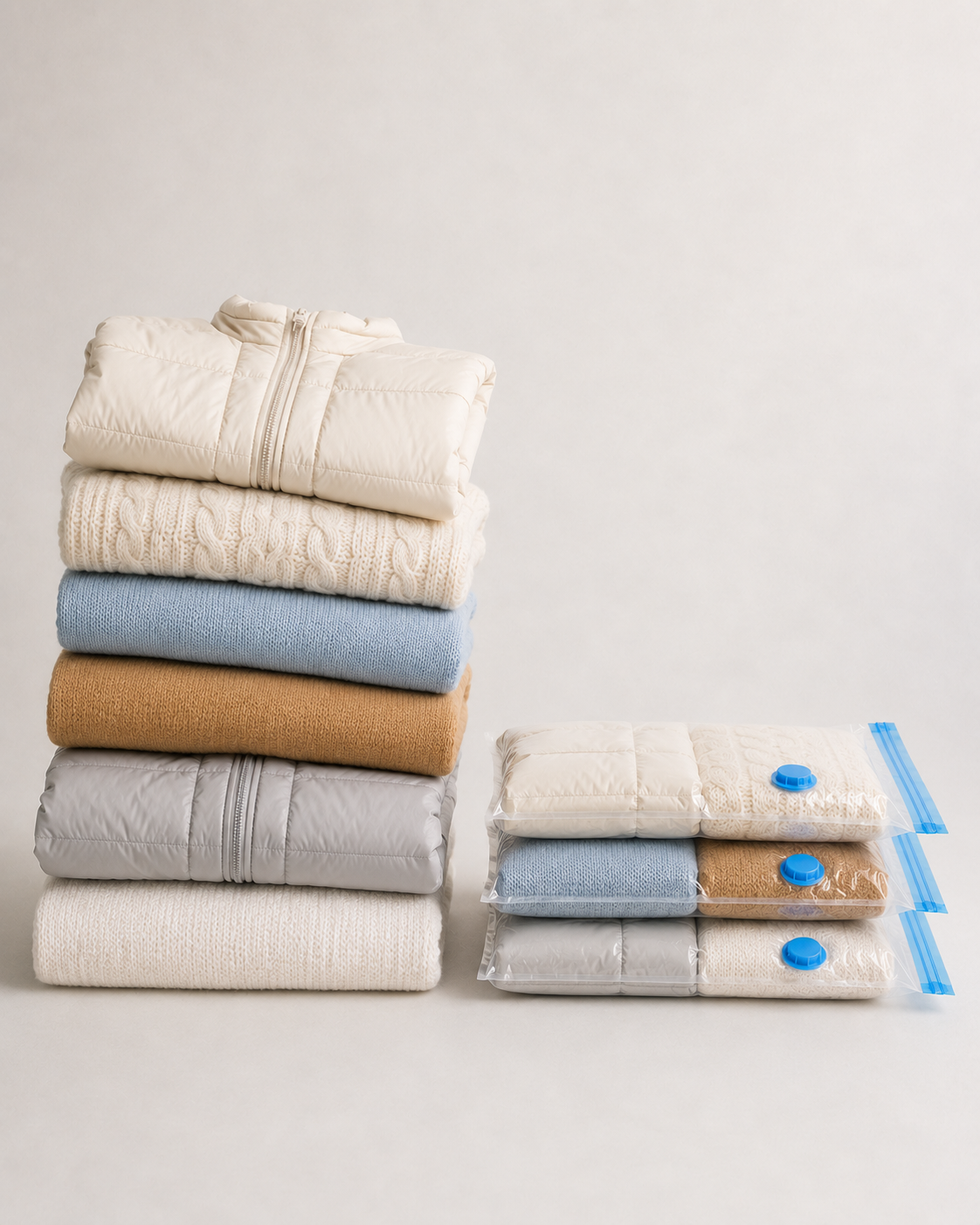
The same six winter garments shown loose and compressed into three reusable bags

Vacuum compression bags can make a suitcase feel dramatically more organised, especially when the trip involves sweaters, jackets or other soft clothing that traps a lot of air. Their benefit is simple: they reduce the volume occupied by suitable items so the available space inside luggage can be used more efficiently.

What they do not do is equally important. Compression does not make clothing lighter. It does not remove the need to check airline baggage limits, and it does not mean every item should be compressed. Used well, compression is a space management tool rather than a shortcut for packing without limits.

What vacuum compression bags actually do

Soft textiles hold air between fibres, folds and layers. A vacuum compression bag allows some of that air to be removed while the bag keeps the contents in a flatter form. The clothing itself is still there, but the package becomes easier to place inside a suitcase, wardrobe or storage box.

The effect is usually most noticeable with thick sweaters, hoodies, casual jackets, trousers, blankets and similar soft items. Thin shirts already occupy relatively little volume, so the improvement can be smaller.

Compression changes volume, not weight

This is the most important rule to remember. If the clothing in a bag weighs three kilograms before compression, it still weighs about three kilograms afterwards. Removing air changes how much room the clothing uses. It does not remove the mass of the clothing itself.

That difference matters when flying. A more compact suitcase can tempt travellers to add more items, but the airline still measures the final weight. Use the recovered space for better organisation and flexibility rather than automatically filling every centimetre again.

When compression is most useful

Compression works best when the challenge is bulky soft clothing. Cold weather trips are an obvious example because knitwear, fleece and jackets can consume a large part of a suitcase even when only a few pieces are packed.

It can also help on longer trips, family travel and journeys where you need to separate clothing by person or category. At home, the same principle can make seasonal storage easier by turning soft, irregular piles into flatter packages. Read our guide to storing seasonal clothing more efficiently for that use case.

What should not be compressed

Compression bags are intended for suitable soft items. Sharp objects can damage the bag. Liquids can leak. Delicate clothing may react poorly to prolonged pressure or heavy creasing. Items with rigid decorative elements can also create pressure points against the material.

Always consider the care requirements of the garment first. Formal clothing, delicate fabrics and pieces that must retain a particular shape may be better packed conventionally.

Do compression bags cause wrinkles

They can. Pressure and tight folding may create more visible creases in some fabrics. The effect depends on the material, how the garment is folded and how long it remains compressed.

For casual clothing, this may not matter. For shirts, dresses or garments that crease easily, a gentler packing method can be preferable. A practical suitcase often combines methods rather than using compression for every item.

Why a portable pump changes the travel experience

Traditional vacuum storage bags often depend on a household vacuum cleaner. That works at home but becomes inconvenient when you need to repack in a hotel or apartment. A portable cordless pump removes that dependency.

SmartPack Power is designed around that travel problem. The compact rechargeable pump is intended to remove air from compatible compression bags without requiring a full size vacuum. Manufacturer rated suction is up to 60 kPa. The value is not only compression at home, but the ability to repeat the process when the return journey begins.

Organisation matters as much as compression

One large bag filled with every piece of clothing may save space, but it can make unpacking frustrating. Smaller categories are often more useful. Tops can stay together. Trousers can occupy another bag. Heavier layers can remain separate until they are needed.

This approach is especially effective on multi stop trips because you can open one group without disturbing everything else. It also makes the return journey easier because worn and clean items can be kept apart.

How to get a better seal

A compression bag only works well when the seal and valve are used correctly. Avoid overfilling. Keep fabric away from the closure. Run your fingers along the seal to make sure it is completely closed before using the pump.

Check the valve area for lint or debris and stop the process if the bag shifts or the valve does not sit correctly. Good preparation usually matters more than trying to compress the bag as aggressively as possible.

The real advantage is more usable space

Vacuum compression bags are most useful when they solve a specific packing problem. They help control bulk, create flatter shapes and make clothing easier to group inside a suitcase. They do not change weight and they do not replace thoughtful packing.

For practical results, combine compression with sensible clothing choices and a clear packing system. If bulky garments are your main challenge, our guide to packing bulky clothes without wasting suitcase space is the best next read.

Posted on — Leave a comment

A Simple Packing System for Longer Trips

Carry-on suitcase organized with flat reusable compression bags and a cordless pump

Packing for a longer trip is not simply a larger version of packing for a weekend. Once the journey extends beyond a few days, clothing, toiletries, electronics and daily essentials begin to compete for space. Without a clear system, even a large suitcase can become difficult to manage after the first few nights.

The goal is not to create a perfect suitcase. It is to build a repeatable routine that makes departure, daily use and the return journey easier. Good organisation should reduce unnecessary decisions every time you open the case.

Plan around activities instead of individual days

Packing one complete outfit for every day often leads to duplication. A better approach is to think about the types of situations you expect. You may need comfortable clothing for daytime, something more polished for dinner, exercise clothes and one warmer layer for changing weather.

Choose pieces that work across several situations. A neutral pair of trousers can be worn with different tops. One versatile sweater can replace several similar layers. This approach reduces the total number of garments without making the trip feel restrictive.

Create clear clothing groups

Longer trips become much easier when every category has a defined place. Keep tops together, trousers together and smaller essentials in their own section. This makes it possible to find one item without moving everything else.

If two people share a suitcase, separate their clothing from the beginning. If the journey includes several climates, divide warm layers from lighter clothing. The system should reflect how the trip will actually unfold.

Use compression where bulk is the problem

Not all clothing deserves the same treatment. Thin shirts may already pack efficiently, while sweaters and jackets can consume a large amount of volume because of trapped air. Compression is most useful for those soft, bulky items.

A cordless system such as SmartPack Power allows suitable clothing to be compressed at home and again during the trip. This is useful when a household vacuum is not available. Compression reduces volume, not weight, so the final suitcase should still be checked against airline limits.

Create an arrival layer

After a long flight or drive, you should not need to unpack the entire suitcase to find a clean shirt. Keep a small group of immediate essentials near the top or in an accessible compartment. This can include sleepwear, underwear, a fresh top and basic toiletries.

The same principle works for overnight stops during a road trip. A well placed arrival layer can keep the main suitcase closed until you reach the final destination.

Use the suitcase as temporary storage

On a longer trip, it is not always practical to unpack everything into hotel drawers. A well organised suitcase can function as temporary storage. Separate groups allow you to remove only the clothing you need while the rest remains protected and contained.

This is particularly useful when changing hotels or visiting several cities. A suitcase that can be closed quickly reduces the risk of leaving items behind and makes each transfer less stressful.

Plan for laundry before you leave

Laundry access can change how much clothing you need. If the hotel, apartment or destination has a washing machine, you may be able to pack fewer basics and reuse them during the trip. Even one planned laundry day can significantly reduce the number of tops, socks and underwear required.

Keep used clothing separate from clean items. A dedicated bag or section makes the suitcase easier to manage and prevents the return journey from becoming a mixture of everything you packed.

Protect the items you need every day

Medication, passports, charging cables, glasses and other daily essentials should have fixed locations. The longer the trip, the more valuable this habit becomes. Small items are easy to misplace when they move between pockets, hotel tables and suitcase compartments.

Create one place for travel documents and one place for electronics. The objective is to make important items predictable. You should know where they are without searching.

Leave capacity for the return journey

A suitcase rarely returns home exactly as it left. Clothing may not fold as neatly. Shopping and souvenirs can add unexpected volume. Leaving some unused space at departure gives you flexibility later.

If your trip includes bulky clothing, read our guide to packing bulky clothes without wasting suitcase space. It explains how selective compression can create room without encouraging overpacking.

Build a system you can repeat

The best packing method is one you can use again without starting from zero. Plan by activity, group similar items, compress only where it helps, keep arrival essentials accessible and give important objects permanent locations.

Longer trips feel easier when the suitcase supports the journey instead of becoming another problem to manage. The purpose of organisation is simple: fewer searches, faster repacking and more confidence that everything has a place.

Posted on — Leave a comment

How to Store Seasonal Clothing More Efficiently

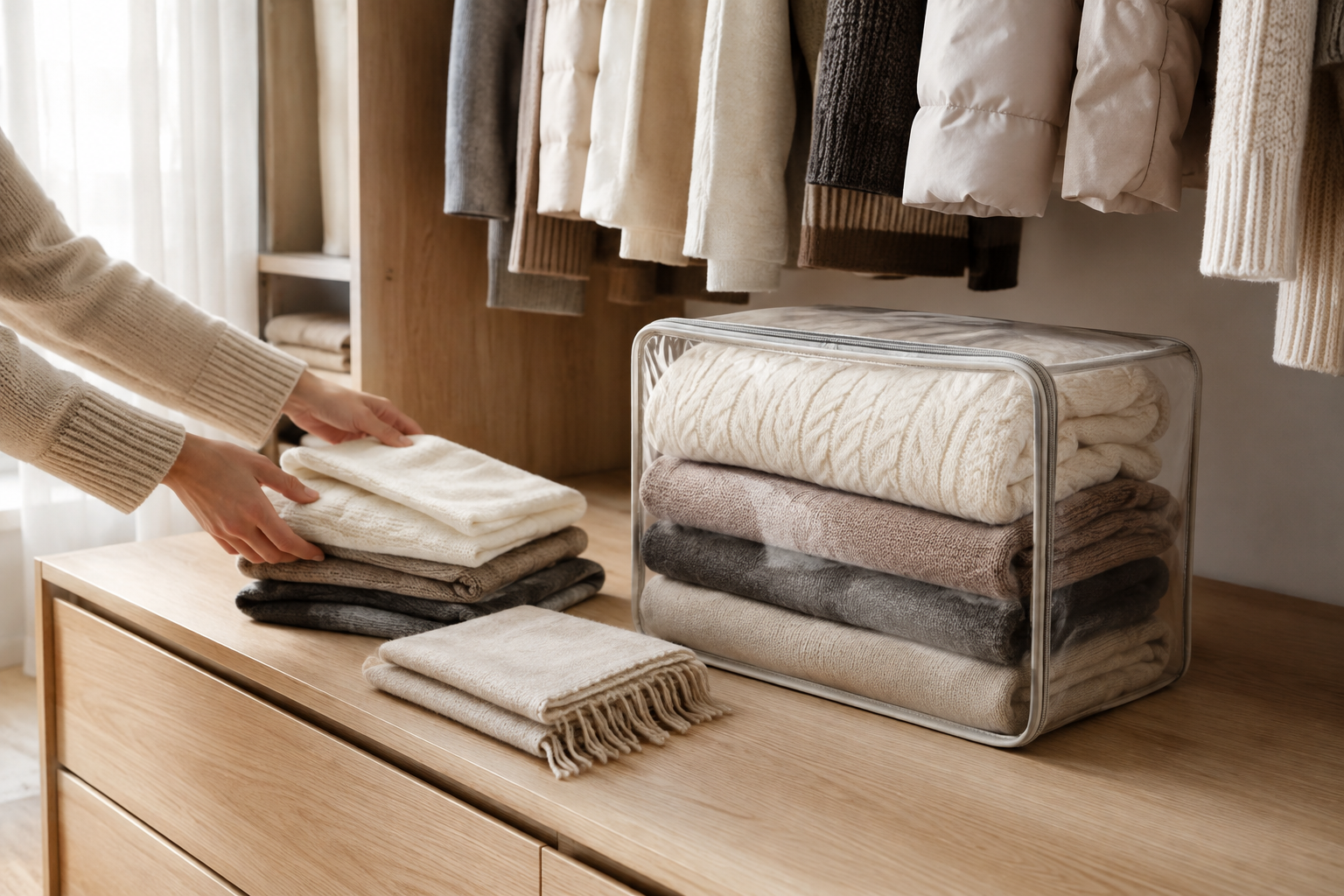
Seasonal knitwear organized in a clear storage case inside a wardrobe

Seasonal clothing can occupy valuable wardrobe space for months without being used. Winter sweaters remain on shelves through summer. Light clothing fills drawers during colder months. Spare blankets, jackets and soft textiles can quickly turn storage into a problem of volume rather than quantity.

A better approach is to treat seasonal storage as a simple routine. Sort what you own, clean everything properly, group similar items and compress only the materials that are suitable. The objective is not to hide clothing away. It is to make the next seasonal change easier.

Review what deserves storage space

Do not store every item automatically. Seasonal changes are a useful opportunity to review what you actually wear. Clothing that no longer fits, damaged pieces and garments that have not been used for several seasons may not deserve the same storage space as items you rely on regularly.

Separating items for donation, repair or disposal before storage reduces clutter and makes the remaining collection easier to organise. The most efficient storage system begins with fewer unnecessary objects.

Wash and dry clothing before packing it away

Clothing should be clean and completely dry before long term storage. Small stains can become more difficult to remove over time, and moisture can create odour or damage fabrics. Heavier garments need extra time to dry because the surface can feel ready while moisture remains inside thicker layers.

Check pockets before washing and again before storage. Receipts, tissues and small objects can create stains or leave residue inside garments when they remain there for months.

Group clothing by category

Keeping similar items together makes the next seasonal change faster. Sweaters can remain in one group. Casual jackets can occupy another. Scarves, gloves and smaller accessories can have their own container or bag.

This simple structure prevents the need to open every bag when you want one specific item. It also helps you see how much clothing belongs to each category and whether a storage area is becoming unnecessarily crowded.

Compress suitable soft items

Bulky textiles often contain a large amount of trapped air. Removing some of that air can make seasonal storage more efficient. Sweaters, casual jackets, blankets and other suitable soft items can often be stored in flatter packages when compatible compression bags are used.

A compact cordless system such as SmartPack Power can be used for travel and home storage. The pump is designed to remove air from compatible bags without requiring a household vacuum. Manufacturer rated suction is up to 60 kPa.

Do not compress every fabric

Compression is not appropriate for every garment. Delicate fabrics, structured clothing and items that rely on loft or shape may need a gentler storage method. Always follow care instructions where they are available.

The same principle applies to travel. Compression is most useful when bulk is the main problem, not as a universal method for every item. Our guide to vacuum compression bags for travel explains this distinction in more detail.

Choose a dry and stable storage location

Saving space is only useful if the clothing is stored in a suitable environment. Keep seasonal items away from excessive moisture, strong heat and direct sunlight. Wardrobe shelves, under bed storage and appropriate containers can all work when the surrounding conditions are dry and stable.

Avoid placing clothing directly against surfaces that are known to become damp. If a storage area has recurring humidity problems, solve that issue before using it for long term textile storage.

Label what you store

A compact storage system is less useful if every bag must be opened to discover what is inside. Use a simple label that identifies the clothing category, season or person. Clear labels also make it easier to return items to the same place next year.

If several bags look similar, record where each category is stored. A short note on your phone can save time when the weather changes unexpectedly and you need one warm layer immediately.

Rotate clothing with intention

When the season changes again, avoid simply swapping one pile for another. Take a few minutes to review the stored clothing before returning it to the wardrobe. Check whether anything needs cleaning, repair or removal.

This turns seasonal storage into a useful maintenance routine rather than a recurring clutter problem. Each cycle becomes easier because the system improves over time.

Make seasonal storage repeatable

Efficient storage is not about making every bag as small as possible. It is about knowing what you own, protecting it correctly and using available space with purpose. Sort first, clean everything, group similar items, compress suitable soft textiles and label each package clearly.

When that routine becomes familiar, wardrobes stay easier to manage and the transition between seasons requires less effort. The same organised approach can also improve travel packing when you need to manage bulky clothing in a limited suitcase. For a practical travel example, see how to pack a carry on for a week without overpacking.
Posted on — Leave a comment

How to Pack a Carry On for a Week Without Overpacking

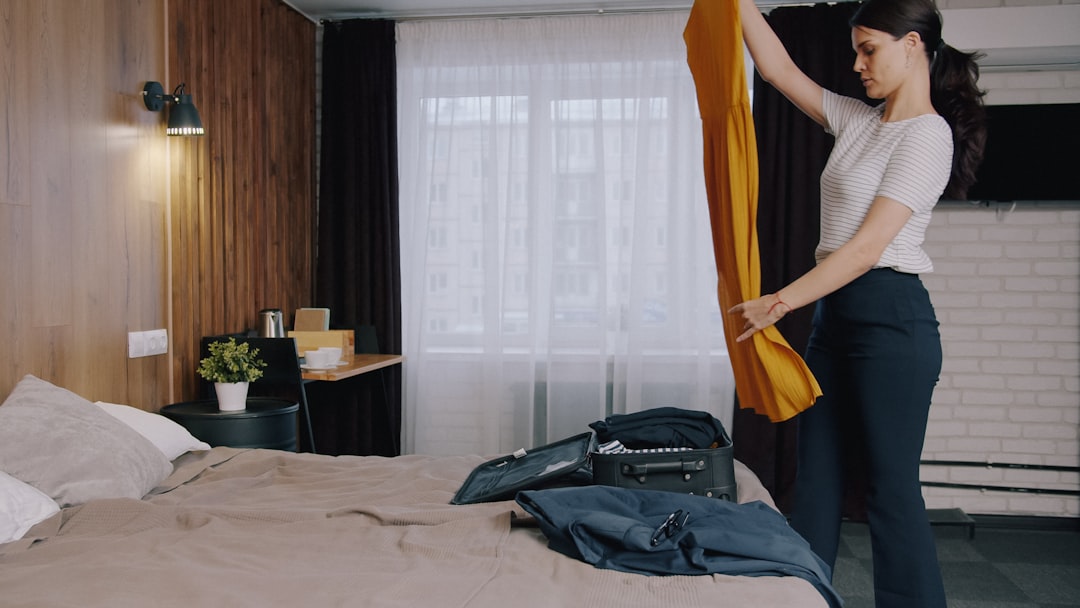
Traveller packing clothing into a carry on suitcase for a one week trip

Packing for a full week with only a carry on can feel restrictive, but the challenge is usually not the size of the suitcase. The real challenge is deciding what deserves space. Once every item has a purpose, a compact bag can handle more than many travellers expect.

The goal is not to squeeze seven complete outfits into a small case. It is to create enough combinations, keep essentials accessible and leave some flexibility for the return journey.

Start with the itinerary

A city break, beach holiday and business trip all require different clothing. Before choosing garments, look at the weather, planned activities and any dress requirements. This prevents last minute additions that do not serve a clear purpose.

If most days involve casual walking and sightseeing, you may need only one more polished outfit for dinner. If the hotel has laundry facilities, the amount of basic clothing can be reduced further.

Choose a simple colour palette

A small wardrobe becomes much more useful when most pieces work together. Choose two or three main colours and build around them. Tops should work with more than one pair of trousers. A sweater should match several outfits rather than only one.

This approach creates variety without increasing the number of garments. It also reduces the temptation to pack backup clothing that never leaves the suitcase.

Wear the bulkiest pieces during travel

Jackets, heavy sweaters and larger shoes can consume a significant part of a carry on. When practical, wear the bulkiest layer and the largest pair of shoes on the travel day. A jacket can be removed once you are seated, but it does not need to occupy valuable luggage space.

This is especially useful when the destination requires warmer clothing. One substantial outer layer can often replace several smaller pieces.

Pack clothing for combinations

For many seven day trips, a few well chosen tops, two or three bottoms and one versatile layer can create enough combinations. The exact number depends on climate and activity, but the principle is more important than the formula.

Think about how often each piece can realistically be worn. If an item works with only one outfit or requires special care during the trip, it may not be the best use of limited carry on space.

Compress bulky soft clothing selectively

If sweaters, hoodies or other bulky soft garments are necessary, compression can help create more usable room. Suitable clothing can be placed inside a compatible reusable bag and compressed into a flatter shape.

A cordless system such as SmartPack Power is useful because the process can be repeated away from home. Manufacturer rated suction is up to 60 kPa. Remember that compression reduces volume, not weight, so the final carry on should still be checked against airline rules.

Use the smallest spaces intentionally

Shoes contain usable space. Clean socks or other small soft items can fit inside them. Charging cables can stay together in one compact pouch rather than being scattered through different pockets. Small decisions like these prevent wasted gaps.

Keep toiletries together and follow the liquid rules that apply to your airport and airline. Solid versions of some personal care products may also reduce the amount of liquid you need to carry.

Protect an easy access zone

Your passport, wallet, phone, medication and essential charging cable should never be buried beneath compressed clothing. Create one accessible area for the things you may need during the journey.

If the carry on will remain with you during a long flight, include one small comfort layer and anything needed for the first few hours after arrival. The suitcase should support the journey, not only the hotel stay.

Plan for one laundry moment

One laundry session can change the entire packing equation. If you know you can wash basics halfway through the trip, there is little reason to carry a fresh set for every day.

This is especially helpful for underwear, socks, exercise clothing and lightweight tops. A smaller clothing rotation creates more room for items that cannot be replaced or washed easily.

Leave space for the return journey

A carry on packed to absolute capacity on the first day is difficult to manage later. Clothing may not fold as neatly after use, and even a small purchase can create a space problem. Leave a little flexibility from the beginning.

If bulky clothing is the main challenge, read our guide to packing bulky clothes without wasting suitcase space. If you are travelling for more than a week, our packing system for longer trips provides a more detailed structure.

A carry on can be enough

Seven days of travel do not automatically require a large suitcase. A carefully chosen wardrobe, predictable organisation and selective compression can make a compact case work surprisingly well.

The best result is not the suitcase containing the most items. It is the suitcase that closes easily, stays organised and gives you everything you need without making the trip feel heavier than it should. For the same space-saving approach at home, see our guide to storing seasonal clothing more efficiently.

Photo by Vitaly Gariev via Unsplash.